For many modern QA teams, their role is expanding beyond just finding bugs and validating features. More and more, teams are being asked to contribute to or even take ownership of the security and compliance readiness of their software. But the reality is tha...
Code quality metrics turn software health into something measurable, trackable, and actionable—the key to building maintainable, scalable, and future-ready systems. For engineering leaders and QA teams, tracking the right metrics uncovers hidden technical deb...
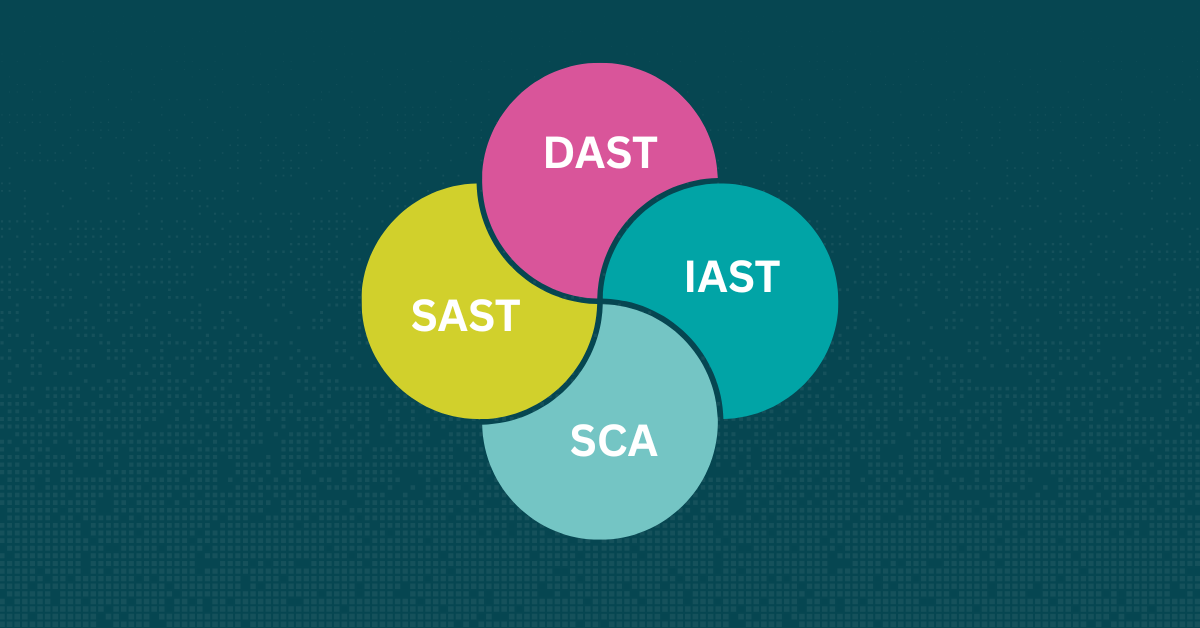
Choosing the right application security tools is essential for identifying vulnerabilities early and securing software throughout the software development lifecycle (SDLC). This guide compares top application security testing (AST) tools, including SAST (stat...
A major security incident just exposed billions of downloads to malicious code injection, but there is a solution. The cybersecurity world is reeling from what experts are calling the largest supply chain attack in history. Hackers successfully infiltrated po...
AI coding assistants can help you ship faster, but they can also ship vulnerabilities straight into production. Unfortunately, this increase in efficiency has been accompanied by greater security risks. Recent research indicates that approximately 25–30% of c...
Cyber threats targeting secure code and software applications are becoming increasingly complex and voluminous. To stay ahead, organizations must embed security earlier in the software development lifecycle, starting with Static Application Security Testing (...
Speeding up releases without sacrificing quality requires a smart testing strategy. Static and dynamic testing, also known as static vs. dynamic code analysis, help developers catch vulnerabilities and defects before they reach production. This guide explains...
Security is becoming increasingly important in the QA process, but its adoption remains uneven. According to the 4th edition of TestRail’s Software Testing and Quality Report, 29% of teams use vulnerability scanners to catch issues before deployment, and only...
Creating a culture of security starts with secure coding practices. Standardizing workflows around industry guidelines and training your team to prioritize security at the beginning rather than at the end of the software development lifecycle (SDLC) can stren...
Managing software security often means juggling multiple tools, tracking open-source licenses, and manually preparing compliance reports. It’s tedious, but necessary. What if you could simplify it all? Introducing one-click SBOM Export: Instant, Audit-R...
Traditional application security approaches happen too late in the development process. By the time the security team discovers a vulnerability, it’s baked into the codebase, making it expensive and time-consuming to remediate—or worse, hackers have already e...
Software engineering professionals are always looking for ways to write better code, and a critical component of continuous improvement is regularly tracking and assessing metrics. Defect density is a metric to measure the number of confirmed defects in...